

Ielts Certificate Buy
SigaVisão geral
-
Setores SAÚDE
-
Trabalhos Publicados 0
-
Visto 96
Descrição Da Empresa
Five Tools That Everyone Who Works In The Buy Registered IELTS Certificate Industry Should Be Making Use Of
The Risks and Realities of Buying a Registered IELTS Certificate
The International English Language Testing System, typically referred to as IELTS, is an internationally recognized standardized test designed to evaluate the language proficiency of non-native English speakers. It is widely accepted for numerous purposes, including migration, research study, and expert accreditation in English-speaking nations. As the demand for IELTS certification continues to grow, so does the temptation for some people to take faster ways. One such shortcut is purchasing a registered IELTS certificate, an increasingly typical practice that postures significant dangers and ethical issues. This post delves into the truths of purchasing an Andrew IELTS certificate, the repercussions, and the value of genuine language proficiency.

Comprehending the IELTS Examination
Before diving into the implications of acquiring a registered IELTS certificate, it is important to understand the IELTS examination itself. IELTS is collectively handled by the British Council, IDP: IELTS Australia, and Cambridge Assessment English. The test is available in two formats: Academic and General Training. The Academic module is ideal for people who want to pursue college or professional registration, while the General Training module is focused on those who are migrating to an English-speaking country or seeking work experience.
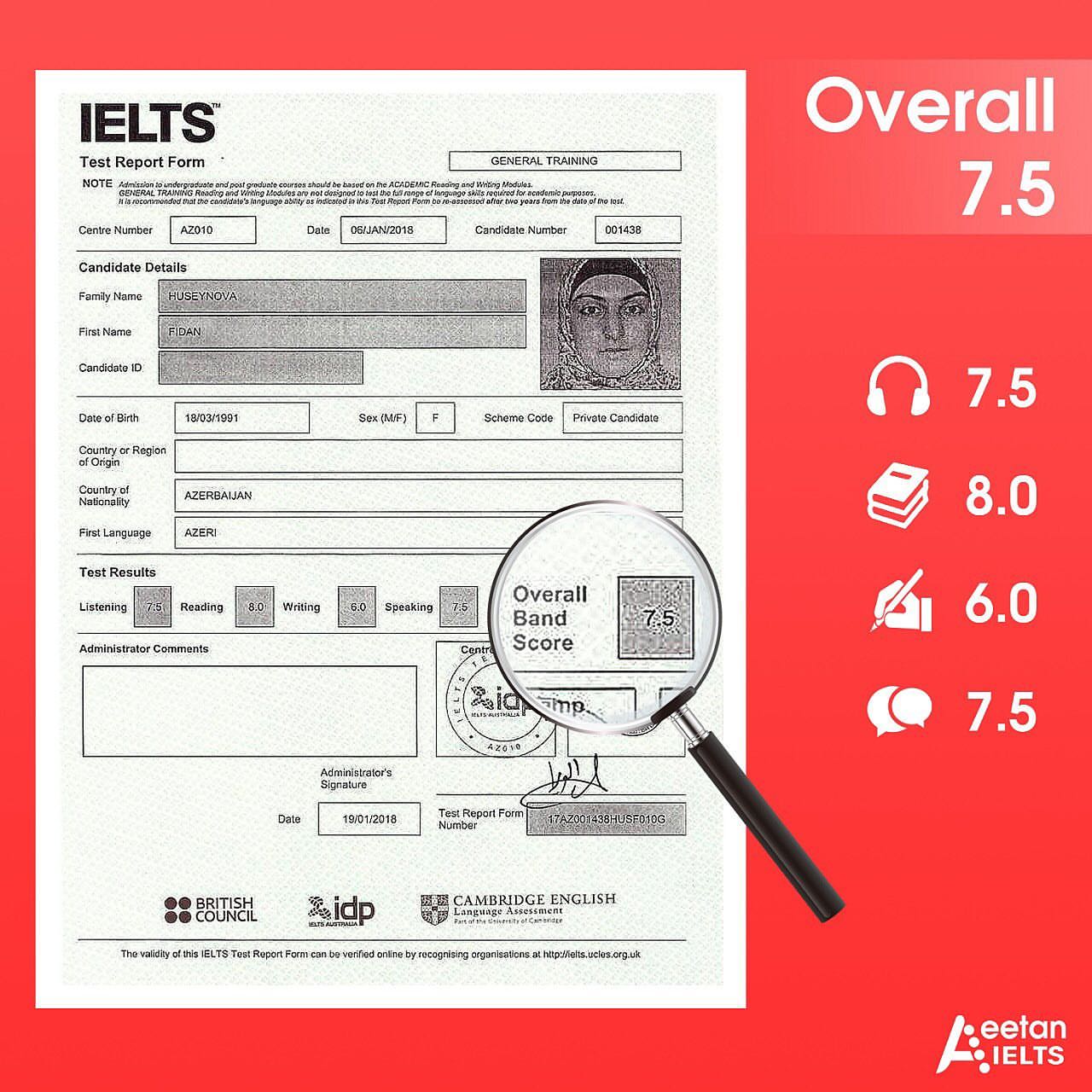
Elements of the IELTS Test
The IELTS test includes 4 parts:
- Listening: Candidates listen to 4 recorded texts and respond to questions.
- Reading: This section includes three long passages with tasks, varying from descriptive to discursive and analytical.
- Composing: Candidates write two tasks, a summary or report of at least 150 words and an essay of at least 250 words.
- Speaking: This is an in person interview with an inspector, covering numerous subjects through a series of questions.
The Temptation to Buy a Registered IELTS Certificate
For many, the IELTS test is a significant turning point. It needs substantial preparation, financial investment, and a substantial time dedication. The pressure to prosper can be frustrating, particularly for those who face multiple re-takes or have actually restricted opportunities to improve their English skills. This pressure frequently leads some people to consider unethical techniques, such as buying a registered IELTS certificate.
Motivations Behind the Decision
- Time Constraints: Some candidates may feel that they do not have enough time to prepare effectively for the test.
- Financial Burden: Repeated attempts can be pricey, and the monetary stress might push people to look for quick options.
- Fear of Failure: The fear of not satisfying the required score can result in desperation.
- Absence of Language Skills: Some prospects might not have the necessary language proficiency to pass the test by themselves.
The Dangers of Buying a Registered IELTS Certificate
While the temptation to buy a registered IELTS certificate might look like a quick repair, it is fraught with dangers and can have significant effects.
Legal and Ethical Implications
- Scams: Purchasing a fake certificate is a type of fraud and is illegal. It can lead to extreme legal repercussions, including fines and imprisonment.
- Ethical Concerns: Dishonesty undermines the integrity of the IELTS system and can have a negative effect on the individual’s personal and professional reputation.
- Misrepresentation: Submitting a fake certificate can result in being declined from institutions or companies and can result in a permanent blacklisting.
Practical Consequences
- Institutional Rejection: Universities and academic institutions can verify IELTS ratings through official channels. Submitting a fake certificate can result in instant rejection and might even result in the revocation of any offers already extended.
- Expert Disqualification: Employers might require candidates to provide their official IELTS ratings. If a fake certificate is spotted, it can lead to disqualification from the job application procedure.
- Immigration Issues: Immigration authorities in English-speaking countries can also confirm IELTS scores. Submitting a fake certificate can result in the denial of visa applications and might even result in a restriction on future applications.
The Importance of Genuine Language Proficiency
Beyond the legal and ethical ramifications, there are practical reasons that genuine language proficiency is crucial.
Academic and Professional Success
- Academic Performance: Universities and instructional organizations need a specific level of English proficiency to guarantee that students can deal with the academic workload. A genuine IELTS score reflects the prospect’s ability to comprehend and interact successfully in an academic setting.
- Professional Competence: Employers in English-speaking nations require workers who can communicate efficiently in English. A fake IELTS certificate might get a prospect through the door, however it will not help them perform well in their task, leading to prospective underperformance and job loss.
- Cultural Integration: For those moving to English-speaking countries, genuine language proficiency is essential for cultural combination and social interaction. A fake certificate does not prepare individuals for the difficulties of living in a new environment.
Long-Term Benefits
- Personal Development: Improving language abilities through genuine preparation can increase confidence and open a world of opportunities.
- Professional Growth: Employers worth prospects who have shown a genuine commitment to enhancing their language abilities.
- Academic Opportunities: Universities often offer additional assistance and resources to trainees who need to improve their English, but this support is just offered to those who have a genuine need and a determination to learn.
How to Prepare for the IELTS Test Ethically
Preparing for the IELTS test fairly is the best way to guarantee success and avoid the mistakes of purchasing a fake certificate.
Steps to Prepare for IELTS
- Understand the Test Format: Familiarize yourself with the structure and material of the IELTS test.
- Practice Regularly: Use official IELTS practice materials and take mock tests to enhance your skills.
- Look for Assistance: Consider enrolling in a preparation course or working with a tutor to identify and resolve your weaknesses.
- Immerse Yourself in English: Watch English films, read English books, and talk with native speakers to enhance your language abilities.
- Stay Motivated: Set sensible goals and preserve a favorable attitude throughout your preparation.
Resources for IELTS Preparation
- Authorities Practice Materials: The British Council, IDP, and Cambridge Assessment English offer main practice tests and research study materials.
- Online Courses: Websites like Coursera and Udemy provide IELTS preparation courses.
- Books and Guides: There are numerous books and guides available that can help you get ready for the test.
- Language Exchange Programs: Join language exchange programs to practice speaking and listening abilities with native speakers.
Regularly Asked Questions (FAQs)
Q1: Is buying a registered IELTS certificate prohibited?
A1: Yes, buying a registered IELTS certificate is illegal and constitutes scams. It can result in legal consequences, consisting of fines and jail time.
Q2: Can institutions validate IELTS ratings?
A2: Absolutely. Universities, employers, and migration authorities can validate IELTS ratings through official channels. Submission of a fake certificate can lead to immediate rejection and long-lasting effects.
Q3: What are the threats of purchasing a fake IELTS certificate?
A3: The dangers consist of legal action, ethical ramifications, and useful repercussions such as rejection from organizations, disqualification from job applications, and migration problems.
Q4: How can I improve my IELTS score ethically?
A4: You can improve your IELTS score by comprehending the test format, practicing regularly, seeking assistance from tutors or courses, immersing yourself in the English language, and remaining motivated.
Q5: Are there any repercussions for using a fake IELTS certificate after being accepted into a program or task?
A5: Yes, if a fake IELTS certificate is discovered after acceptance, it can result in instant expulsion from the program or termination from the task, along with potential legal repercussions.
The IELTS test is a strenuous and fair evaluation of English language efficiency. While the pressure to be successful can be extreme, the threats and consequences of buying a registered IELTS certificate far surpass any viewed benefits. Ethical preparation and genuine language improvement are the only paths to real success. By investing time and effort into preparing for the test, individuals can not just accomplish their desired scores however likewise gain the abilities needed to prosper in their chosen academic or professional paths. The stability of the IELTS system is crucial, and preserving it benefits everybody included.